
Electronics & Communication Engineering (ECE)
About ECE Department
Electronics and Communication Engineering (ECE) is a swiftly advancing field, with new ideas emerging at a rapid pace.
The department offers B.E. (Electronics and Communication Engineering) and M.E. programmes in VLSI Design and Communication Systems. This department has been approved as a Centre for Research by Anna University, Chennai.
The Electronics & Communication Engineering department was established in the year 2007 with an intake of 60, increased to 90 in the year 2008 and further increased to 180 in the year 2012. The department has well equipped laboratories, qualified and experienced staff to enrich the students with technical efficiency. The department prepares students for careers in this constantly evolving discipline.
To produce skilled, dedicated and research oriented Electronics and Communication Engineering professionals to face the technical and social challenges.
To impart state of art knowledge to compete in Electronics and Communication Engineering profession.
To provide adequate facilities to gain technical, management and communication skills to foster research and development.
To produce engineers with human values and professional ethics to serve the society.
Graduates will be able to
PEO I: To provide the students with a strong foundation in the required sciences in order to pursue studies in Electronics and Communication Engineering.
PEO II: To gain adequate knowledge to become good professional in electronic and communication engineering associated industries, higher education and research.
PEO III: To develop attitude in lifelong learning, applying and adapting new ideas and technologies as their field evolves.
PEO IV: To prepare students to critically analyze existing literature in an area of specialization and ethically develop innovative and research oriented methodologies to solve the problems identified.
PEO V: To inculcate in the students a professional and ethical attitude and an ability to visualize the engineering issues in a broader social context.
Graduates will be able to
PSO1: Design, develop and analyze electronic systems through application of relevant electronics, mathematics and engineering principles.
PSO2: Design, develop and analyze communication systems through application of fundamentals from communication principles, signal processing, and RF System Design & Electromagnetics.
PSO3: Adapt to emerging electronics and communication technologies and develop innovative solutions for existing and newer problems.
Engineering Graduates will be able to
1. Engineering knowledge: Apply the knowledge of mathematics, science, engineering fundamentals, and an engineering specialization to the solution of complex engineering problems.
2. Problem analysis: Identify, formulate, review research literature, and analyze complex engineering problems reaching substantiated conclusions using first principles of mathematics, natural sciences, and engineering sciences.
3. Design/development of solutions: Design solutions for complex engineering problems and design system components or processes that meet the specified needs with appropriate consideration for the public health and safety, and the cultural, societal, and environmental considerations.
4. Conduct investigations of complex problems: Use research-based knowledge and research methods including design of experiments, analysis and interpretation of data, and synthesis of the information to provide valid conclusions.
5. Modern tool usage: Create, select, and apply appropriate techniques, resources, and modern engineering and IT tools including prediction and modeling to complex engineering activities with an understanding of the limitations.
6. The engineer and society: Apply reasoning informed by the contextual knowledge to assess societal, health, safety, legal and cultural issues and the consequent responsibilities relevant to the professional engineering practice.
7. Environment and sustainability: Understand the impact of the professional engineering solutions in societal and environmental contexts, and demonstrate the knowledge of, and need for sustainable development.
8. Ethics: Apply ethical principles and commit to professional ethics and responsibilities and norms of the engineering practice.
9. Individual and team work: Function effectively as an individual, and as a member or leader in diverse teams, and in multidisciplinary settings.
10. Communication: Communicate effectively on complex engineering activities with the engineering community and with society at large, such as, being able to comprehend and write effective reports and design documentation, make effective presentations, and give and receive clear instructions.
11. Project management and finance: Demonstrate knowledge and understanding of the engineering and management principles and apply these to one’s own work, as a member and leader in a team, to manage projects and in multidisciplinary environments.
12. Life-long learning: Recognize the need for, and have the preparation and ability to engage in independent and life-long learning in the broadest context of technological change.
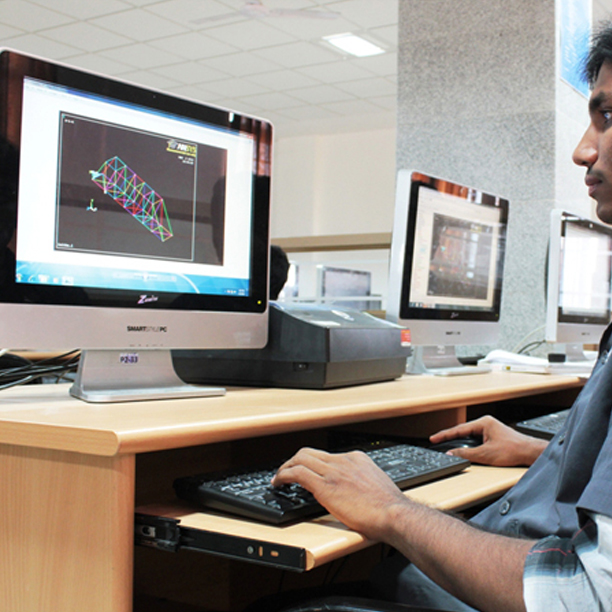
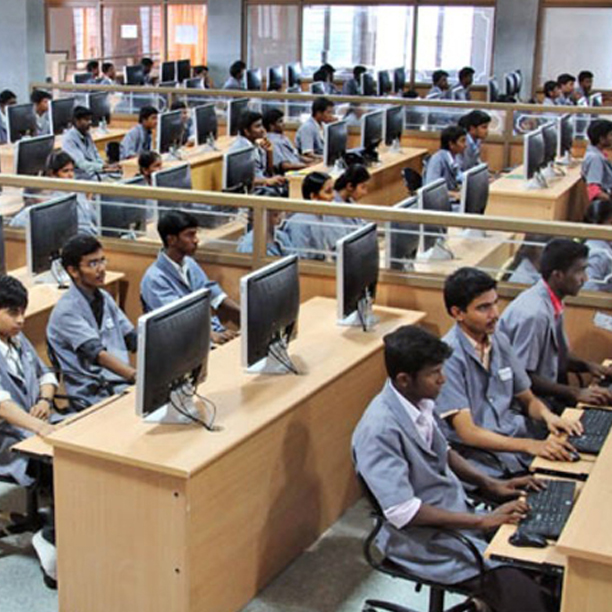
Laboratory Facilities
| DEPARTMENT LABORATORIES | CURRICULUM BASED LABORATORIES | MAJOR FACILITIES & EQUIPMENTS |
|---|---|---|
| ELECTRONICS LAB |
|
|
| COMMUNICATION LAB |
|
|
| VLSI LAB / DSP LAB |
|
|
| EMBEDDED LAB |
|
|
| SPECIAL LAB |
|
|
| PG LAB |
|
|
| Research and Development Laboratory |
|
Faculty Details
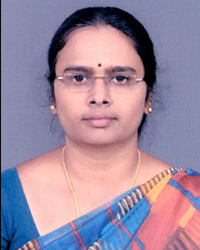
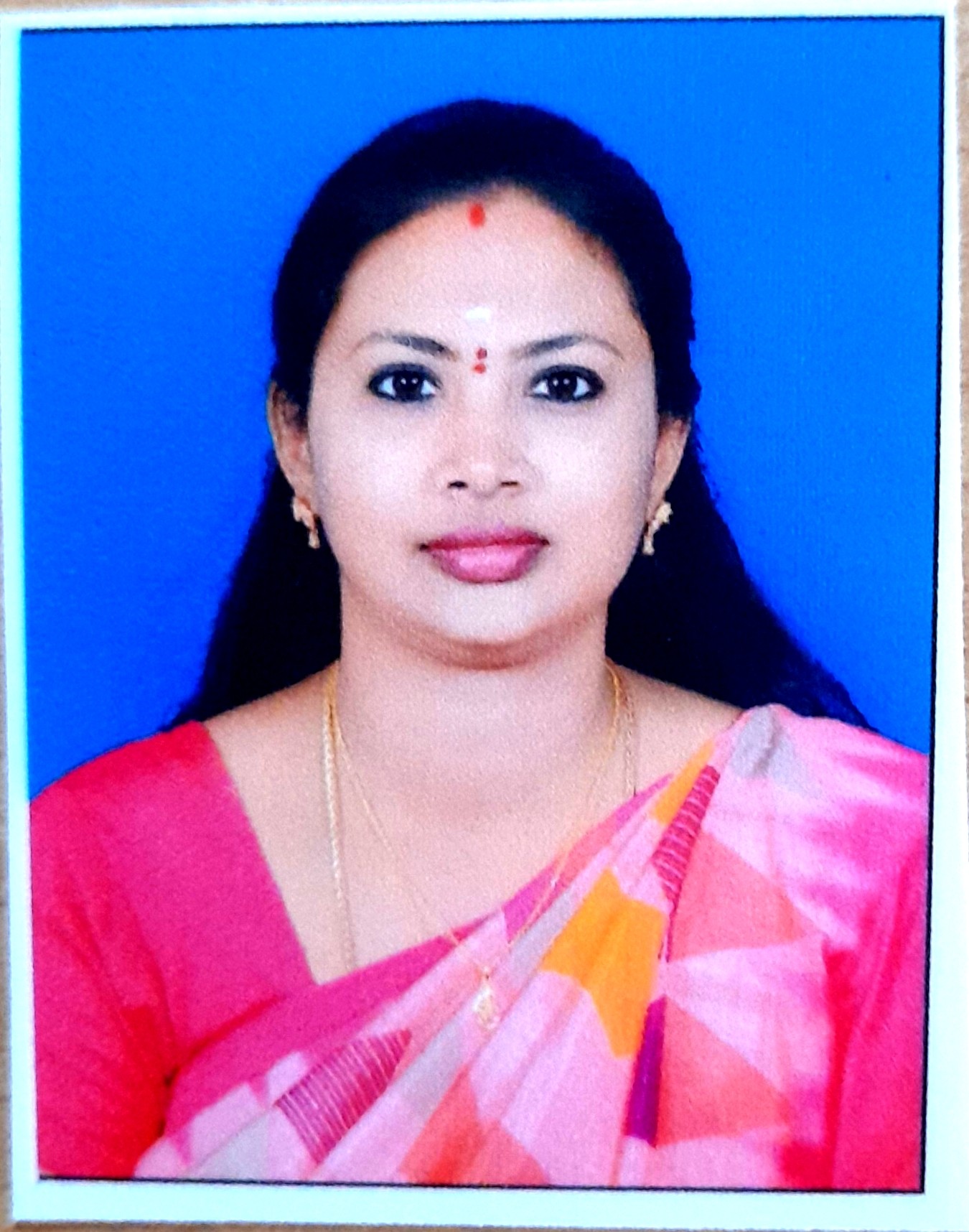
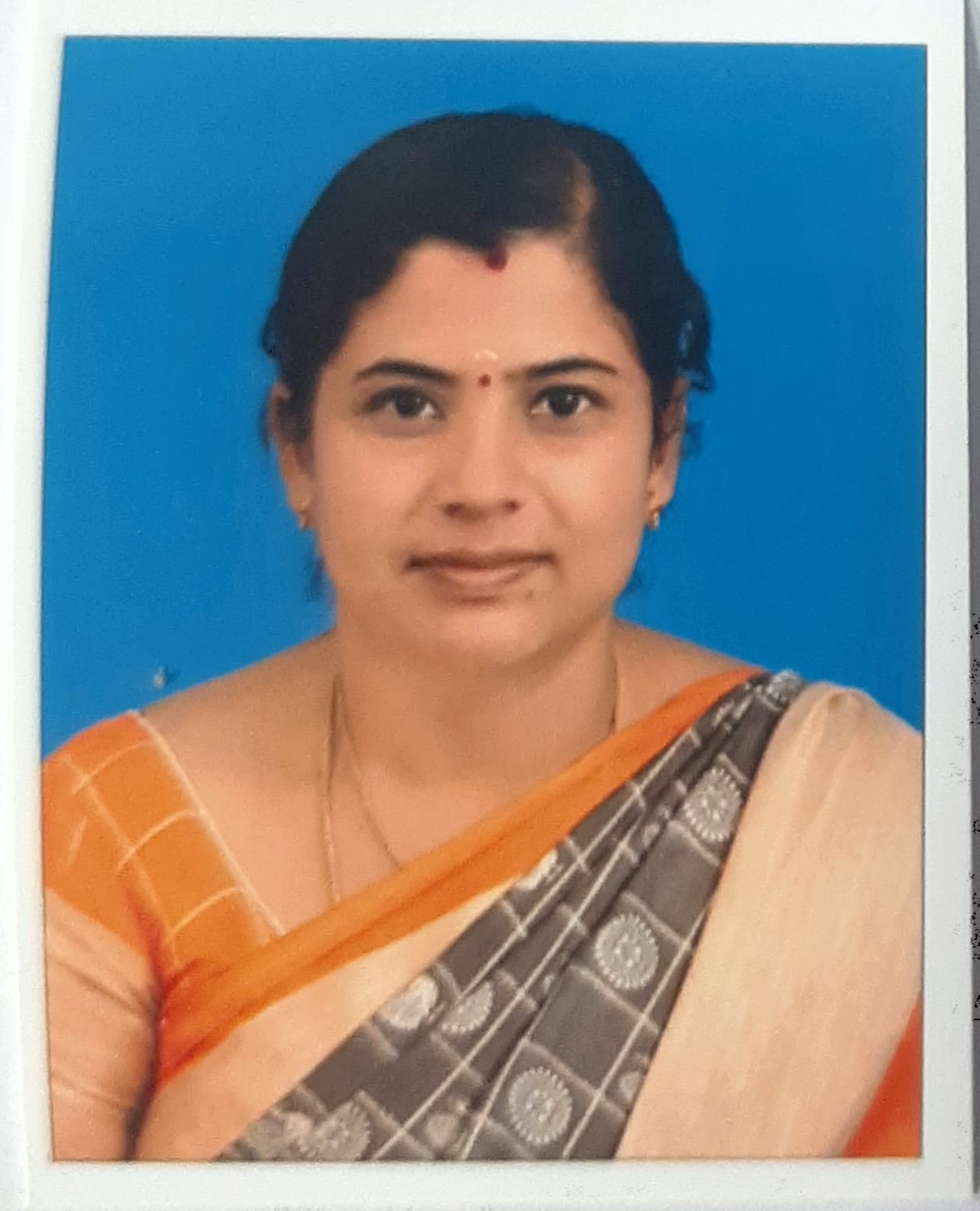
The Department of Electronics and Communication Engineering has a team of highly qualified faculty members who have a proven record of meritorious accomplishments to their credit. The Department has doctorates and post graduates specialized in several areas and have extensive teaching experience. The strength of the staff is according to the norms prescribed by AICTE, New Delhi.Brief profile of few of our faculty members are given below.
|
 |
|
 |
|
 |
|
 |
|
 |
||||||||
|
 |
||||||||
|
 |
|
 |
|
 |
|
 |
|
 |
|
 |
Value Added Courses
The Value Added Courses aim to provide better employability skills of engineering students of INFO. The main objectives of the program are:
1. To provide students an understanding of the expectations of industry.
2. To bridge the skill gaps and make students industry ready.
The Courses focus on skill development and more than 50% of the time is spent on practical training and problem solving, to provide the requisite understanding towards application of academic topics from engineering disciplines into real world engineering projects. The following industry oriented value added courses with hands-on training were conducted for the benefit of students.
| Year | Course Name | Description |
|---|---|---|
| II Year | PCB DESIGN |
|
| C ++ |
|
|
| III Year | CCNA (CISCO CERTIFIED NETWORK ASSOCIATE) |
|